Welcome to Amtivo in the US, formerly Orion, ASR, CMA, Audit3, QSR and ISA.

ANSI/ESD S20.20

The recognized U.S. standard for managing electrostatic discharge (ESD) in electronics and high-precision manufacturing.

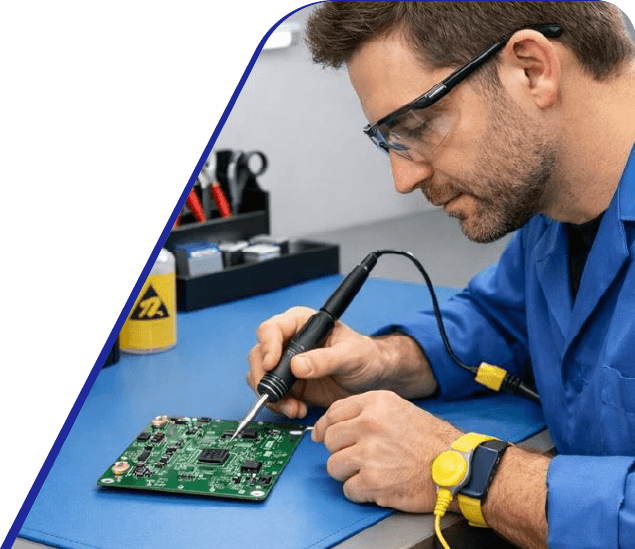
ANSI/ESD S20.20 sets out clear requirements for managing electrostatic discharge (ESD), helping protect sensitive electronic components from damage. It enables organizations to create consistent, reliable processes that protect products, people, and operations. The standard is widely used across industries where ESD risks can impact quality, performance, or safety.

4.8_outlined_Wide-low-level-descriptor-rating-46-4-1

Request a Quote

Enter your details below to get started on your journey to certification.

What Is an ESD Control Management System?

An ESD (Electrostatic Discharge) control management system is a structured approach to preventing damage caused by static electricity during handling and assembly.

It can help organizations:

  • Identify where electrostatic risks occur in their processes
  • Implement effective controls to prevent or neutralise or redirect static charges
  • Train staff to handle sensitive components safely
  • Maintain consistent, reliable, repeatable practices over time

Typical elements include grounding systems, ESD-safe workstations, protective packaging, personnel controls, and ongoing testing to help maintain a safe environment.

ansi esd 20.20 certification amtivo

What Is ANSI/ESD S20.20?

ANSI/ESD S20.20 is a widely recognized U.S. standard developed by the Electrostatic Discharge Association (ESDA).

It defines the requirements for establishing, implementing, and maintaining an effective ESD control program for organizations that handle electrostatic discharge sensitive devices (ESDS).

The standard helps organizations:

  • Define the controls needed to prevent ESD damage
  • Build consistent, auditable processes
  • Demonstrate that ESD risks are managed effectively

Implementing the standard can enhance product quality, reliability, and customer confidence.

Why Does ANSI/ESD S20.20 Matter?

Uncontrolled ESD can cause immediate failures and hidden latent defects in electronic devices. These issues can lead to warranty claims, returns, lost productivity, and customer dissatisfaction.

ANSI/ESD S20.20 matters because it can help to:

  • Reduces the risk of costly failures
  • Provides proven best practices for controlling static electricity
  • Builds trust with customers who depend on reliable electronic components
  • Help organizations meet industry and supply-chain expectations

Who Is ANSI/ESD S20.20 For?

This standard is commonly used by organizations that manufacture, assemble, repair, or distribute electronic components, including:

  • PCB manufacturers
  • Aerospace and defence electronics
  • Medical device companies
  • Automotive electronics suppliers
  • Semiconductor and microelectronics
  • IT and telecom hardware
  • Electronics contract manufacturers (EMS)
  • Repair and refurbishment centres

Any organization handling sensitive electronics could benefit from implementing ESD controls.

esd assembly

Key Benefits of ANSI/ESD S20.20

Implementing the requirements of ANSI/ESD S20.20 can help organizations achieve the following benefits: 

What Are the Key Requirements of ANSI/ESD S20.20, and Why Do They Matter?

ANSI/ESD S20.20 sets out structured requirements that help organizations control static electricity risks. Key requirements include the following:

tick-icon - ISO 9001

Management commitment

Leadership ensures the ESD program is supported, maintained, and aligned with organizational goals.

tick-icon - ISO 9001

Risk assessment

Identifying where ESD events may occur allows targeted, effective controls.

tick-icon - ISO 9001

ESD Control Program Plan (ECP)

Defines roles, responsibilities, and required controls to maintain consistency.

tick-icon - ISO 9001

Evidence-based decision making

Informed decisions should be made based on the analysis and evaluation of data and information within the organization, to enhance overall quality.

tick-icon - ISO 9001

Technical controls

Grounding, bonding, personnel grounding, EPA requirements, packaging, and equipment controls ensure safe environments for sensitive components.

tick-icon - ISO 9001

Training and awareness

Staff understand how to handle ESDS properly, reducing human error.

tick-icon - ISO 9001

Monitoring and measurement

Regular testing ensures the ESD environment remains effective over time.

These requirements work together to help create a reliable, controlled handling environment.

How ANSI/ESD S20.20 Links to Other Standards

ANSI/ESD S20.20 complements several quality and technical standards used in manufacturing.

It is commonly integrated with:

Many organizations integrate ESD controls within a broader management system to meet customer and industry requirements.

Example compatibility:

Standard Compatible with ESD S20.20? Why
ISO 9001 Includes process control and risk management principles
IEC 61340-5-1 International equivalent often used alongside ANSI/ESD S20.20
AS9100 Aerospace OEMs often expect robust ESD controls

What To Expect if You Decide to Pursue Certification

Certification involves an independent review by a certification body to verify that your ESD control program meets the requirements of ANSI/ESD S20.20.

High-level expectations:

  • Develop and implement an ESD control program
  • Maintain documented evidence of conformance
  • Undergo a third-party audit to verify compliance
ansi esd 20.20 certification

ANSI/ESD S20.20 Certification with Amtivo

Amtivo provides independent ANSI/ESD S20.20 certification services for organizations that need formal confirmation their ESD control program meets recognized U.S. requirements.

Certification demonstrates to customers, OEMs, and supply-chain partners that your organization has implemented effective, auditable controls to protect electrostatic discharge sensitive devices (ESDS).

Why Choose Amtivo for ANSI/ESD S20.20 Certification?

Organizations choose Amtivo because we offer:

  • Recognised certification expertise
    Our auditors have experience assessing ESD control programs across electronics, aerospace, medical, automotive, and high-reliability manufacturing environments.
  • Clear, structured certification process 
    We explain what is required at each stage, helping you understand expectations and prepare with confidence.
  • Independent, impartial assessment
    Certification is delivered through objective third-party audits aligned with ANSI/ESD S20.20 requirements.
  • Global capability with U.S. focus
    Amtivo supports organizations operating in the U.S. and internationally, helping meet customer and supply-chain expectations.
  • Support beyond certification
    We help organizations maintain and improve their ESD control programs over time.
why you should choose amtivo

How Much Does ANSI/ESD S20.20 Certification Cost? 

The cost of certification depends on factors such as:

  • Size of the organization
  • Number of sites and ESD-protected areas
  • Complexity of operations and processes
  • Scope of ESD controls being assessed

Because of these variables, certification costs are calculated on a case-by-case basis.

Request a Quote

ANSI/ESD S20.20 FAQs

Sign Up to Our Newsletter

Enjoying this content? Sign up to our newsletter to receive the latest news and useful tips to help you achieve and maintain important business certifications. Simply enter your email address below.

Related Standards

ISO 9001

Boost quality management for products and services. ISO 9001 certification helps save money and become more efficient. Discover our ISO 9001 Certification services.

IATF 16949

Get IATF 16949 certified. Ensure your business adheres to the highest standards of quality, safety, and efficiency for automotive products.

AS9100

International aerospace quality certification demonstrating safety, reliability, and regulatory compliance.